

If you want TNC do your marketing for you, please contact us.
Author: Nicol Lee | Founder of The NextComms
Published on March 12, 2026
Budget planning is a critical component of successful social media advertising campaigns. Without a clear budgeting strategy, businesses may spend too much on ineffective campaigns or miss opportunities to scale ads that perform well. For businesses in Singapore, where competition in digital advertising continues to grow, planning a realistic and structured social media advertising budget is essential for maximising return on investment (ROI).
Social media platforms such as Facebook, Instagram, TikTok, LinkedIn, and YouTube offer flexible advertising budgets that can be adjusted depending on business goals. However, simply allocating a budget is not enough. Businesses must understand how to divide their advertising spending between testing new campaigns, optimising performance, and scaling successful ads.
With proper budget planning, companies can reduce risk, improve campaign performance, and ensure that their marketing investment generates measurable results.
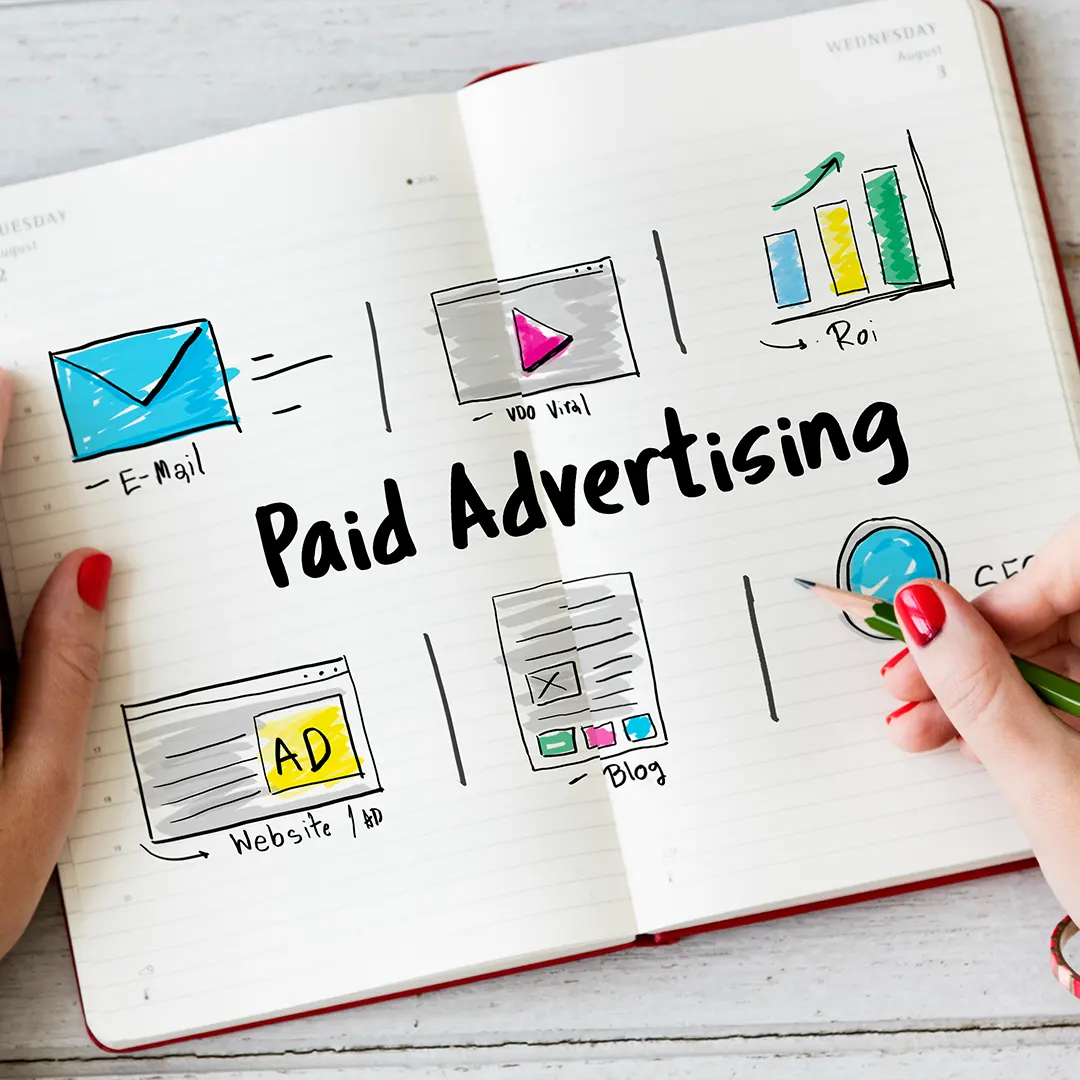
The first step in planning a social media advertising budget is defining clear campaign objectives. Advertising goals influence how much a business should spend and how budgets should be distributed.
Common objectives include:
Different objectives often require different levels of investment. For example, brand awareness campaigns may require broader reach and higher budgets, while lead generation campaigns may focus on targeted audiences with smaller but more focused spending.
By defining clear objectives before launching campaigns, businesses can allocate budgets more effectively.
Testing is an important part of social media advertising. Before scaling campaigns, businesses should allocate a portion of their budget to test different audiences, ad creatives, and messaging strategies.
Testing campaigns help advertisers answer important questions, such as:
During the testing phase, advertisers often run multiple ad variations to identify top-performing combinations. This phase may involve testing different images, videos, headlines, or targeting options.
By investing in testing early, businesses can avoid spending large budgets on ineffective campaigns.
Once testing identifies high-performing ads, businesses can allocate more budget to scale those campaigns. Scaling involves increasing the advertising budget for ads that consistently deliver strong results.
Scaling allows businesses to reach larger audiences while maintaining efficient campaign performance.
However, scaling should be done gradually. Increasing budgets too quickly may disrupt the platform’s optimisation process. Instead, businesses often increase budgets step by step while monitoring performance metrics.
This approach ensures that campaigns remain stable while expanding their reach.
Businesses often advertise on multiple platforms, and budget allocation across these platforms should reflect where the target audience is most active.
For example:
Instead of spreading budgets evenly across all platforms, businesses should prioritise the platforms that deliver the best results for their specific audience.
Data from previous campaigns can help guide these decisions.
Tracking campaign performance is essential for managing advertising budgets effectively. Social media platforms provide analytics tools that allow advertisers to evaluate how well their campaigns are performing.
Key performance metrics often include:
By monitoring these metrics regularly, businesses can identify which campaigns deserve additional budget and which ones need adjustments.
Campaign optimisation ensures that advertising budgets are used efficiently.
Advertising budgets should not remain static. As campaigns generate performance data, businesses can adjust budgets to maximise results.
For example, if a campaign consistently produces high-quality leads at a low cost, increasing the budget may allow the business to generate more leads.
On the other hand, if a campaign underperforms, reducing or reallocating the budget can prevent unnecessary spending.
Regular evaluation and adjustment help businesses maintain efficient advertising strategies.
While short-term campaigns can produce immediate results, businesses should also consider long-term budget planning. Consistent advertising helps build brand awareness and maintain customer engagement.
Instead of running occasional campaigns, businesses may benefit from maintaining ongoing advertising strategies that include:
Long-term budget planning allows businesses to maintain steady growth while managing advertising costs effectively.
Strategic budget planning allows businesses to test campaigns safely and scale profitable advertising efforts. By defining clear objectives, monitoring campaign performance, and adjusting budgets based on data, companies in Singapore can maximise the return on their social media advertising investment.
Advertising budgets vary depending on the industry and campaign goals. Many businesses start with smaller testing budgets before scaling successful campaigns.
Testing budgets should be large enough to gather meaningful data. Businesses often run multiple ad variations to determine which combinations perform best.
Budgets should prioritise platforms where the target audience is most active and where campaigns deliver the best results.
Yes. With precise targeting and effective creatives, small budgets can generate meaningful results, especially during testing phases.
Budgets should be increased when campaigns demonstrate consistent performance and strong return on investment.
Return on investment is measured by comparing the revenue generated from advertising campaigns against the amount spent on those campaigns.
Fill in the form and we will get back to you as soon as possible.
Join our network of successful businesses. With The Next Comms, use social media effectively to elevate your business to the top of your industry.













E: info@thenextcomms.com
T: +65 6602 8233

Not ready for design project just yet? Register your Interest and be the first to know about TNC future promotions and updates.