

If you want TNC do your marketing for you, please contact us.
Author: Nicol Lee | Founder of The NextComms
Published on July 31, 2026
If you install flooring or wall panels in Singapore and your Facebook ads are generating enquiries but not jobs, the problem is almost never your video, your pricing, or your workmanship.
It is the campaign type you selected.
Most contractors we speak to have spent somewhere between $1,500 and $5,000 on Meta before deciding the platform does not work for their trade. In nearly every case, they were using one of three settings that Meta makes easy to find and expensive to use.
Here is what those three settings actually do to your budget, and what to run instead.

Boost Post is the blue button under every organic post. It is the most accessible option on the platform and the most costly one in Singapore home services.
What Meta is actually optimising for
When you boost, Meta optimises for engagement. It goes and finds the users most likely to like, comment, or share your post. It is not looking for people who are about to renovate a flat.
There is a large population of Facebook users who scroll and tap reactions all day. Boosting hands your budget directly to them.
What you get instead of jobs
The typical result on a boosted flooring post is 200 reactions, 30 comments asking “how much”, and no appointments. The engagement metrics look healthy, which is why the mistake goes unnoticed for months.
The control you are giving up
Boosting is a stripped down version of Ads Manager. You lose:
You are paying premium rates for reduced functionality.
This one looks excellent on the dashboard. Cost per conversation of $3 or $4 feels like a win, especially compared to a $30 cost per lead on a conversion campaign.
Then you check what Meta counts as a conversation.
A conversation means somebody typed “hi”
That is the threshold. One word. Meta records it as a successful conversion and charges you accordingly.
The deeper issue is what happens next. Meta’s algorithm learns from the events you reward. You just told it that people who type one word and leave are your ideal customer. So it goes and finds thousands more of them.
The algorithm is doing exactly what you asked. The instruction was wrong.
You keep nothing when they ghost
With a Send Message campaign, an unanswered enquiry leaves you with no name, no phone number, no unit type, no timeline, and no budget indication. There is nothing in your CRM to follow up on next month.
You paid for a lead and retained none of it.
These are the cheapest clicks available on Meta and the least valuable.
Meta optimises for profile visits, so it finds people who tap through out of idle curiosity. They look at your grid for a few seconds, do not save anything, and leave.
Nothing is captured. Nothing is measured. Nothing enters your pipeline.
Your follower count rises, which feels like progress. But followers do not pay for vinyl flooring. In 12 years of running Singapore home services campaigns, we have never seen follower growth correlate with booked installations.
Conversion campaigns, not engagement or traffic objectives
Run campaigns optimised for a lead event or a booked appointment. This is the single biggest change most contractors can make. Meta will find fewer people, and those people will be materially more likely to buy.
Build the ad around the buying trigger, not the product
Nobody wakes up wanting vinyl planks or fluted wall panels. They wake up with a specific problem:
Ads that name the moment outperform ads that name the product. Every time.
Qualify before the enquiry reaches you
Capture unit type, job scope, rough square footage, timeline and budget range before the lead lands on your phone. This does two things. It removes price shoppers from your day, and it lets you walk into the site visit already knowing what you are quoting.
Reply within 60 seconds
In Singapore home services, the contractor who responds first wins the job roughly 8 times out of 10.
If you reply at 8pm after coming off site, three competitors have already sent quotes. This is the most common reason good campaigns produce bad results. The ads were fine. The response time was not.
Automated WhatsApp first-touch solves this without you touching your phone.
Install Pixel and Conversions API properly
Without server-side event tracking, Meta is optimising on incomplete data. With it, the algorithm learns what a genuinely good lead looks like for your business specifically, and campaign performance compounds over time rather than decaying.
At The Next Comms we have run Meta campaigns for Singapore home services businesses since 2014. Flooring, wall panels, renovation, movers, maid agencies, aircon servicing and pest control.
Our proof points:
On flooring and wall panel campaigns, we have seen cost per lead come in as low as $10, with onsite appointments booked in the same week. Results vary by offer, location and seasonality, but the structural principles above hold consistently.
Our AI booking engine handles the first reply on WhatsApp within 60 seconds, qualifies the enquiry, and offers two appointment slots. You only see the leads worth driving to.
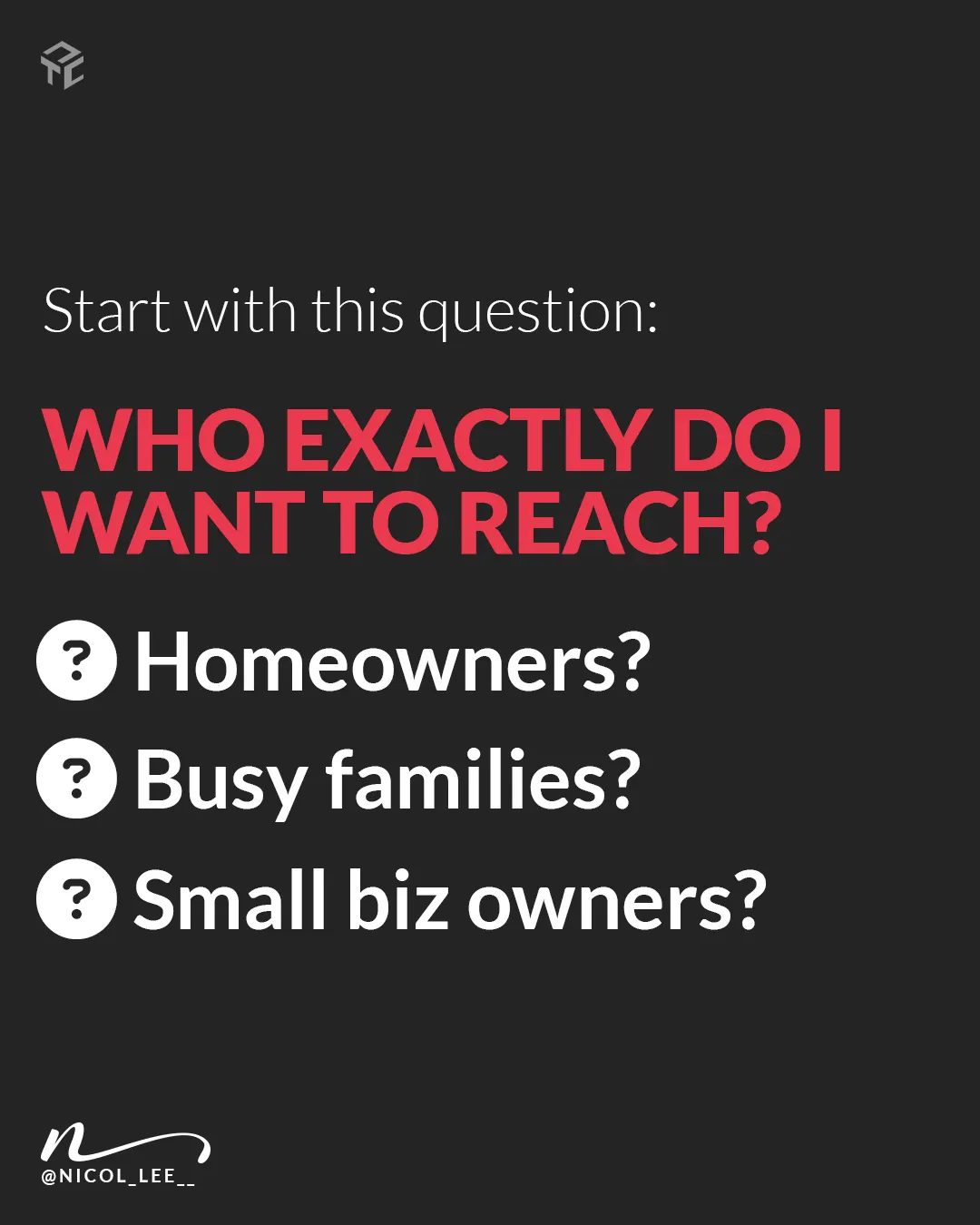
If you want social media advertising results spend as much time building trust as you do creating social media ads. People are more likely to respond when they feel confident about your business.
Boost Post optimises for engagement, which means Meta delivers your ad to people most likely to react or comment rather than people likely to hire a contractor. It also removes access to lead forms, conversion tracking, audience exclusions and placement controls. You pay full platform rates for a limited toolset.
They can work as a retargeting layer for warm audiences who already know your brand, provided you have automated qualification on the receiving end. As a cold acquisition campaign for a flooring or wall panel business, they usually produce a high volume of unqualified one-word enquiries because Meta counts a single message as a successful conversion.
Most contractors need a minimum of $30 to $50 per day per campaign for Meta’s algorithm to exit the learning phase and stabilise. Below that, results tend to be erratic and difficult to read. Budget should scale with your installation capacity, not with ambition.
It varies by offer strength and season. We have seen $10 leads on well-structured flooring campaigns with a strong hook, and we have seen $60 leads on poorly targeted ones. A sensible planning assumption for a new campaign is $20 to $35 per lead, improving as tracking data accumulates.
You can reply yourself if you can consistently respond within a few minutes during working hours, including while you are on site. Most contractors cannot. Since first responders win the majority of home services jobs in Singapore, automation is usually the difference between a campaign that pays for itself and one that does not.
Expect the first qualified leads within days of launch, and a reliable read on performance after two to three weeks once the learning phase completes and you have enough conversion data to judge. Anyone promising stable results in the first week is guessing.
Fill in the form and we will get back to you as soon as possible.
Join our network of successful businesses. With The Next Comms, use social media effectively to elevate your business to the top of your industry.













E: info@thenextcomms.com
T: +65 6602 8233

Not ready for design project just yet? Register your Interest and be the first to know about TNC future promotions and updates.